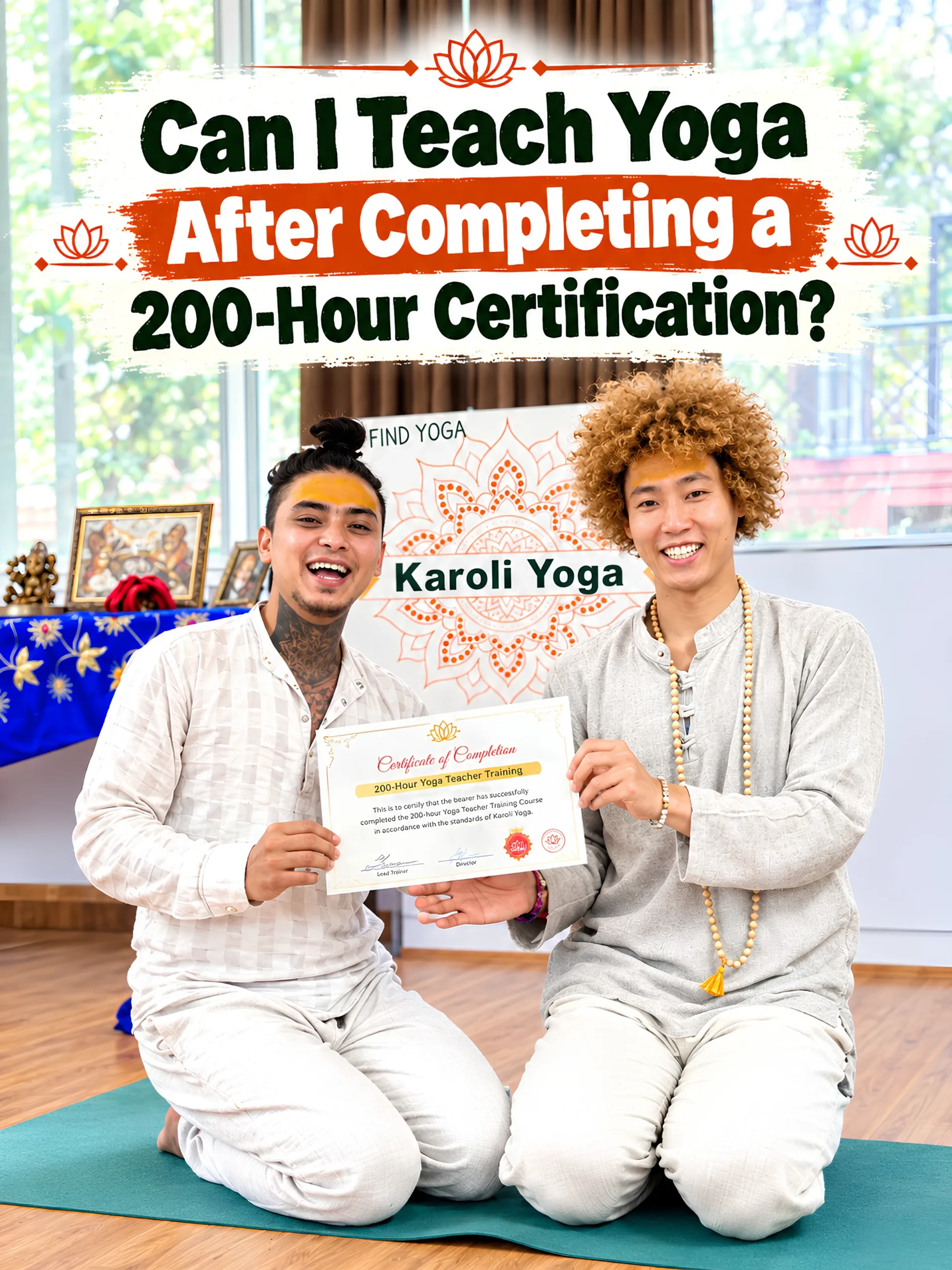
Quick Summary: Yes, you can start teaching yoga immediately after finishing your foundational training, which serves as the globally accepted entry-level requirement for the profession. This certification provides the credentials needed to lead beginner classes, though securing professional work also depends on local studio policies and liability insurance.
Completing a basic yoga course provides new instructors with the foundational knowledge needed to lead public classes. Earning a standard certificate builds core confidence for managing group fitness schedules. New teachers launch local studio sessions immediately after getting graduation papers.
What Can You Do With Your Training Certificate?
Holding a standard certification opens doors for leading beginner classes in local community halls. Studio managers look for this exact credential when hiring morning instructors.
- Lead basic Hatha and Vinyasa group sessions for local beginners.
- Build personal client lists right inside neighborhood parks.
- Accept morning stretch routine shifts at local fitness gyms.
- Launch virtual mat classes on online video platforms.
Can You Teach Yoga Internationally After TTC in Rishikesh?
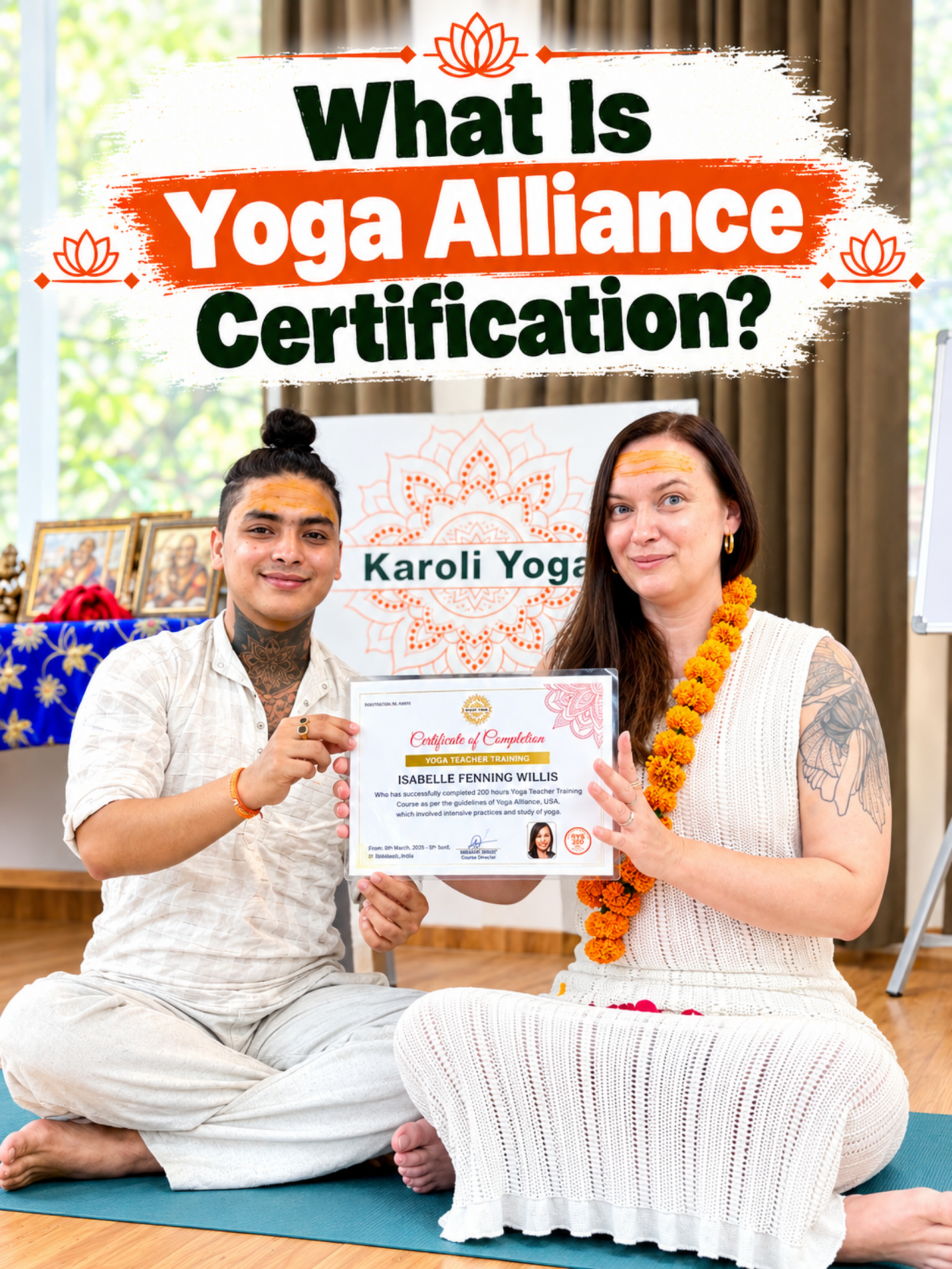
Earning your certification from a reputable program at Karoli Yoga School opens the door to teach yoga all across the globe. International studio owners, retreat centers, and wellness facilities highly respect traditional Indian yoga credentials.
- Global Destinations: Graduates successfully secure teaching roles across Europe, North America, Australia, South America, and Southeast Asia.
- Varying Requirements: While your certification is globally recognized, individual international studios may require specific work permits or localized auditions.
- Studio managers across North America and Europe respect accredited Himalayan lineage certificates when hiring new instructors.
- International retreat properties frequently hire traveling graduates for seasonal wellness programs and guest teaching spots.
- Online platforms allow you to connect with global students and earn in foreign currencies right from your home studio.
- Securing paid international work often requires checking local work visa rules, tax guidelines, and professional liability insurance requirements.
How Karoli Yoga School Prepares Students for Teaching
Karoli Yoga School goes far beyond physical postures, equipping you with the comprehensive skills needed to lead classes with confidence the moment you graduate.
- Teaching Methodology: Master how to structure balanced classes, build smooth sequences, give clear verbal instructions, and safely observe students.
- Practice Teaching: Build early confidence by leading live mock sessions with peers, receiving constructive feedback, and running real-time class segments.
- Anatomy & Safe Alignment: Understand joint movements, muscle functions, and injury prevention techniques to keep your students safe and supported.
- Overcoming Self-Doubt: Transform initial nerves into genuine self-assurance through daily practice, mentorship, and progressive classroom experience.
What Can You Teach After a 200-Hour YTT?
Graduates can handle specific class formats safely without risking student injury. Knowing your limits keeps every participant safe and confident.
- Beginner yoga classes focus on slow movements and basic posture alignment.
- General group yoga classes welcome mixed levels with simple modifications.
- Private yoga sessions allow customized attention for individual client goals.
- Online yoga classes reach remote viewers through clear camera angles.
What Skills Do You Gain From Foundational Training?
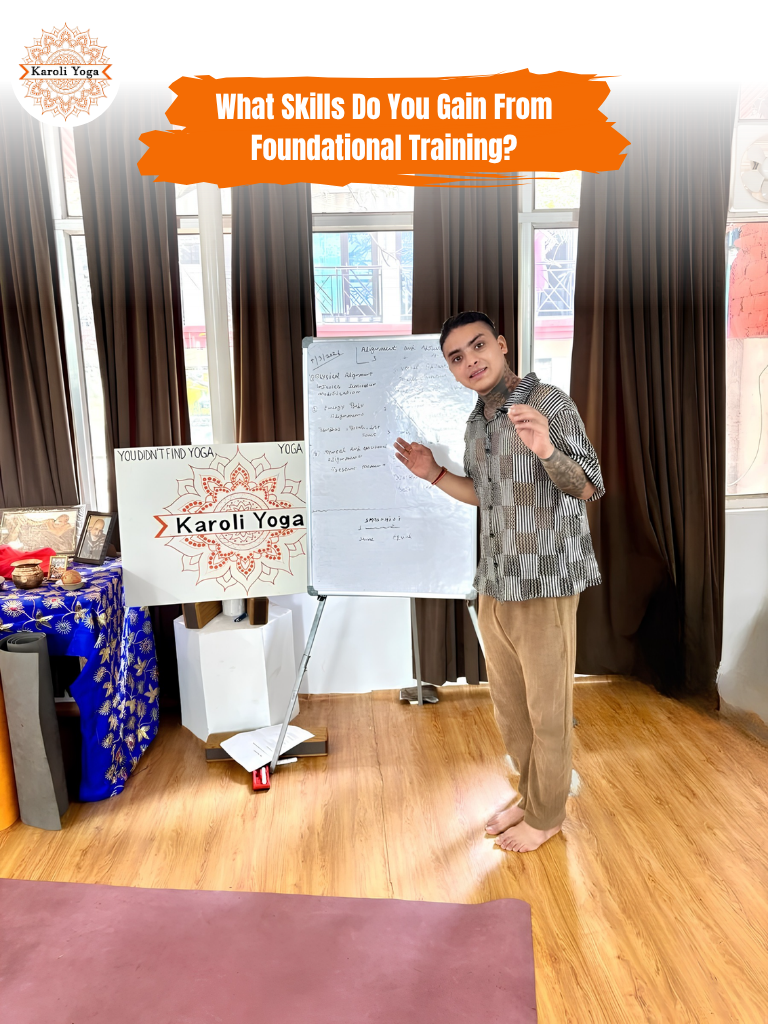
Foundational courses build core competencies required for leading group fitness spaces. You learn how to cue movements without risking student safety.
- Understanding yoga philosophy deepens personal practice awareness.
- Teaching asanas safely protects student joints from accidental strain.
- Class sequencing skills help arrange smooth transitions between postures.
- Communication and teaching skills keep large rooms calm and focused.
What Are the Benefits of Completing Your Training?
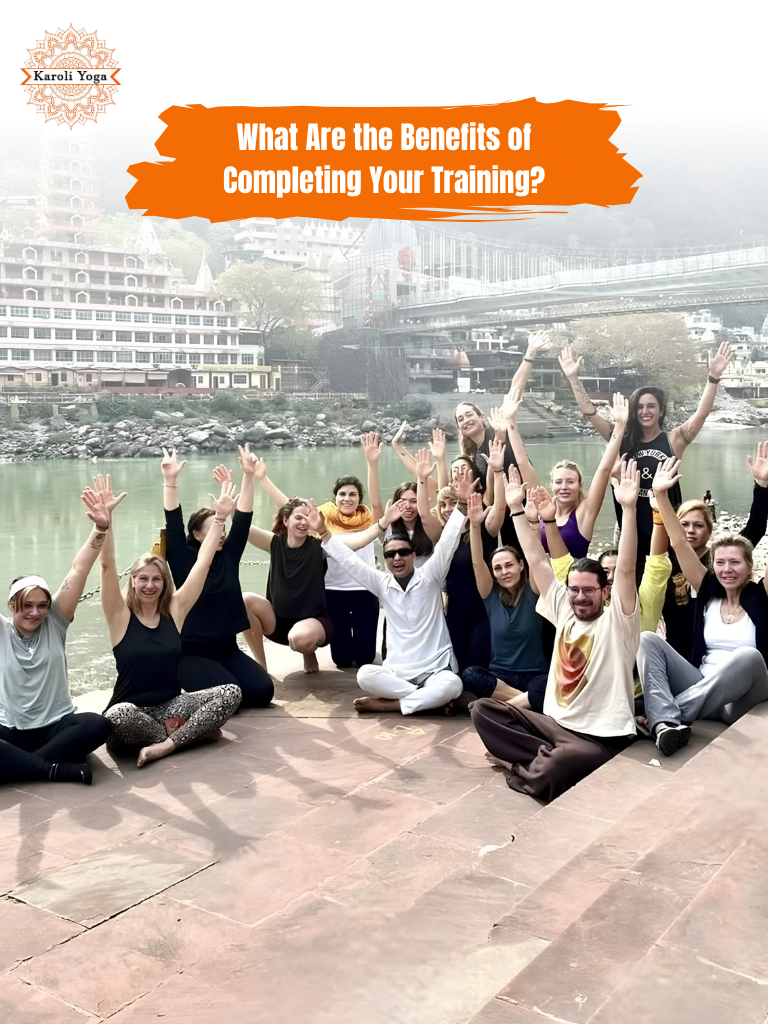
Graduating from a recognized foundational program offers major career perks and personal growth opportunities.
- Official credentials allow you to apply for professional studio and gym jobs with confidence.
- Structured coursework teaches safe posture alignment rules clearly to protect your students.
- Basic anatomy modules help you understand muscle groups and prevent accidental student injuries.
- Daily group practice builds deep mental discipline and inner self-assurance.
- Lifelong connections with fellow trainees create a supportive local teaching network.
How to Build Confidence as a New Yoga Teacher
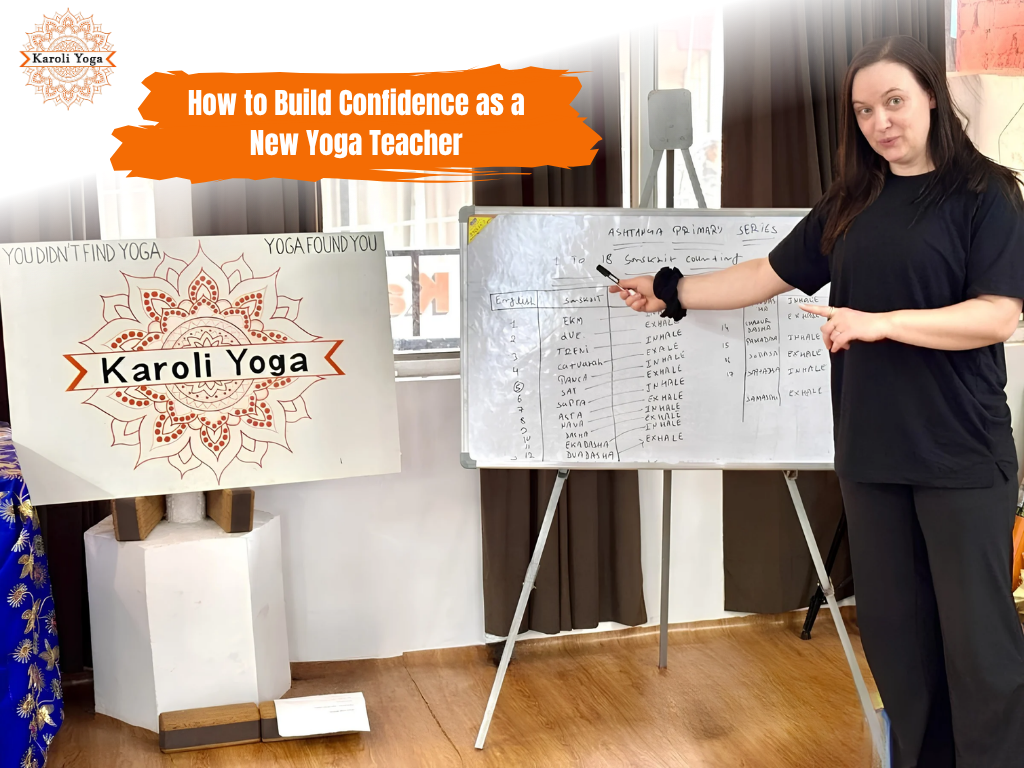
Confidence is built through real-world experience rather than appearing overnight. New instructors can develop strong classroom presence and overcome early nerves by following these core practices:
- Teach Regularly: Lead at least one class per week to build teaching momentum. Consistency matters far more than perfection.
- Maintain Your Personal Practice: The best teachers remain committed students. Daily practice deepens your knowledge and authenticity on the mat.
- Embrace Constructive Feedback: Gather notes from mentors and peers to quickly identify your strengths and areas for growth.
- Never Stop Learning: Treat your initial training as a foundation. Expand your expertise through advanced workshops, specialized retreats, and higher-level certifications.
- Remember Your First Class: Every veteran instructor once stood where you are now. Growth requires patience, dedication, and time.
Continue Your Personal Practice
Stepping into the role of an instructor often makes new teachers spend all their time planning classes for others while neglecting their own mats. Maintaining a dedicated personal practice is what keeps your teaching authentic, grounded, and physically sustainable.
When you practice daily, you experience the physical transitions and breath adjustments from a student’s perspective first. This ongoing self-study helps you refine your verbal cues and discover new modifications naturally. A consistent personal routine also replenishes your energy reserves so you avoid burnout during busy teaching weeks.
After You Complete Your RYT Course, What’s Next?
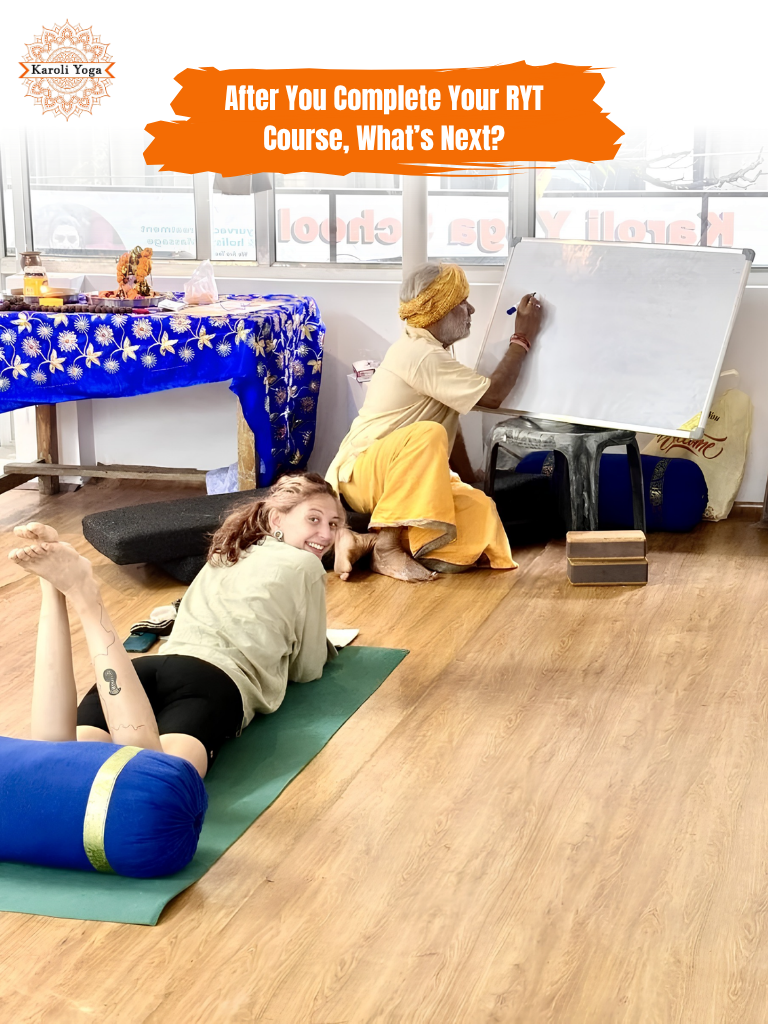
Graduating from your foundational course is just the beginning of your professional journey. Moving from student to instructor requires taking structured, practical steps.
- Create Your Yoga Resume: Highlight your training hours, anatomy coursework, and practical background on a clean single page.
- Register with Yoga Alliance: Decide if the optional international directory listing helps your specific studio job applications.
- Get Professional Insurance: Purchase liability coverage to protect against accidental classroom injury claims.
- Define Your Goals: Set your teaching intention and choose between gym classes, corporate wellness, or private coaching.
- Gain Experience: Lead donation-based practice sessions for friends and family to test your verbal cues.
- Prepare Sequences: Draft a few reliable beginner routines so you never freeze during live teaching slots.
- Network Locally: Connect with studio managers and fellow graduates to find open substitute teaching shifts.
- Maintain Practice: Keep up a daily personal practice to preserve your physical stamina and mental focus.
How to Start Teaching Yoga After Graduation?
Starting a professional career requires simple steps to attract students. Finishing certification gives you the base, but getting your first paying students takes active local outreach.
Print your graduation papers and visit nearby studios to talk with managers directly. Practice speaking loudly in empty rooms so your voice reaches the back row. Building a simple social media presence helps local clients find your schedule easily.
Where Can You Find Your First Teaching Job?
Finding work requires looking beyond traditional yoga studios into community spaces. Many new teachers find their initial luck renting cheap hourly slots in residential clubhouses or community halls.
Corporate offices also hire weekend instructors for employee stress relief classes. Local fitness clubs frequently need reliable substitute teachers for early morning schedules.
Which Teaching Styles Suit New Instructors Best?
Choosing simple class formats helps fresh teachers keep students safe. Advanced arm balances and deep backbends look impressive on social media, but new teachers should stick to foundational movements.
Keeping sequences simple allows you to watch every student’s alignment closely. Hatha and gentle Vinyasa styles give beginners enough time to settle into poses without rushing breath counts.
How Much Money Do New Yoga Teachers Make?
Monthly earnings depend on class counts, student totals, and studio locations. Income varies wildly based on your city and how many hours you work.
| Teaching Location | Average Pay Rate | Setup Requirement |
| Yoga Studio | $30 per class | RYT Certificate |
| Local Fitness Gym | $25 per class | Group certification |
| Private Home Session | $50 per hour | Personal mats |
| Online Video Class | $15 per session | Good phone camera |
What Equipment Do You Need to Teach Your First Class?
Gathering basic gear ensures a smooth start for every new instructor. You do not need an expensive studio setup to begin teaching your first few students.
A few durable props will help beginners modify difficult stretches safely. Clean cotton practice mats, foam yoga blocks, and cotton straps cover all basic classroom requirements.
How Do You Plan a Safe Beginner Yoga Sequence?
Designing simple routines keeps new students injury-free and happy. A good sequence always moves from gentle joint warming to standing poses and finishes on the floor.
Never rush your students through transitions between different postures. Start every session with gentle neck rolls, move into slow cat-cow stretches, and end with corpse pose relaxation.
Why Should New Teachers Practice Daily Poses?
Daily personal practice keeps instructor body muscles flexible and strong. Teaching a room full of people takes physical and mental stamina.
Working through your own sequence every morning keeps your verbal cues sharp and accurate. Self-practice builds deep mental focus before group sessions start.
When Is the Best Time to Launch Public Classes?
Choosing the right season brings more eager students to early classes. Timing your grand opening around major calendar shifts helps pull in curious beginners looking for lifestyle changes.
New Year weeks attract record numbers of fitness seekers. Summer holiday months open empty morning slots in parks, while monsoon weekends fill indoor community hall batch seats quickly.
Who Qualifies for Advanced Training After 200 Hours?
Advanced courses require serious commitment and prior teaching experience. Jumping straight into 300-hour programs without teaching real students first is rarely helpful.
Spend at least a year applying your basic knowledge in live classes. Instructors must understand basic human anatomy and joint safety before attempting advanced modules.
What a Standard Training Course Is Actually Meant to Do
Understanding the true scope of basic training helps manage expectations. The primary goal of a standard introductory course is building personal practice awareness.
Teaching methodology gets introduced, but real mastery develops only through active classroom hours. It establishes a safe base for leading beginner-level group classes without claiming to make you an expert master instantly.
Common Mistakes New Graduates Make
Fresh instructors often stumble on simple administrative and classroom management tasks. Trying to teach overly advanced arm balances to raw beginners creates injury risks.
Forgetting to collect student health history notes before class starts leads to unexpected muscle strains. Relying too much on personal demonstration instead of clear verbal cueing makes it hard to monitor the room.
What Mistakes to Avoid When Teaching Your First Class?
Nerves get the best of everyone during their first live teaching assignment. Avoiding a few basic communication traps will keep your classroom atmosphere calm and welcoming.
Speaking too softly makes students lose focus during balance poses. Always project your voice so every participant can follow instructions easily without turning around.
Ready to launch your yoga career with Karoli Yoga School? Call +91-9837574885 today to enroll in our 200-Hour Teacher Training program!
Frequently Asked Questions
1. Can I teach public classes with a standard certificate?
Graduates can generally begin teaching after certification, though official permissions depend on local regulations, employers, and insurance guidelines.
2. Do gyms require insurance for new yoga teachers?
Most commercial fitness centers demand personal liability insurance before signing teaching contracts.
3. Can I open my own yoga studio immediately?
New graduates open small home studio spaces right after finishing certification courses.
4. Is teaching online harder than in-person classes?
Online teaching requires clear voice microphones and wide camera angles to show poses.
5. Do you need professional credentials to lead private sessions?
Private coaching requires verified training certificates and local business registration, depending on regional municipal laws.