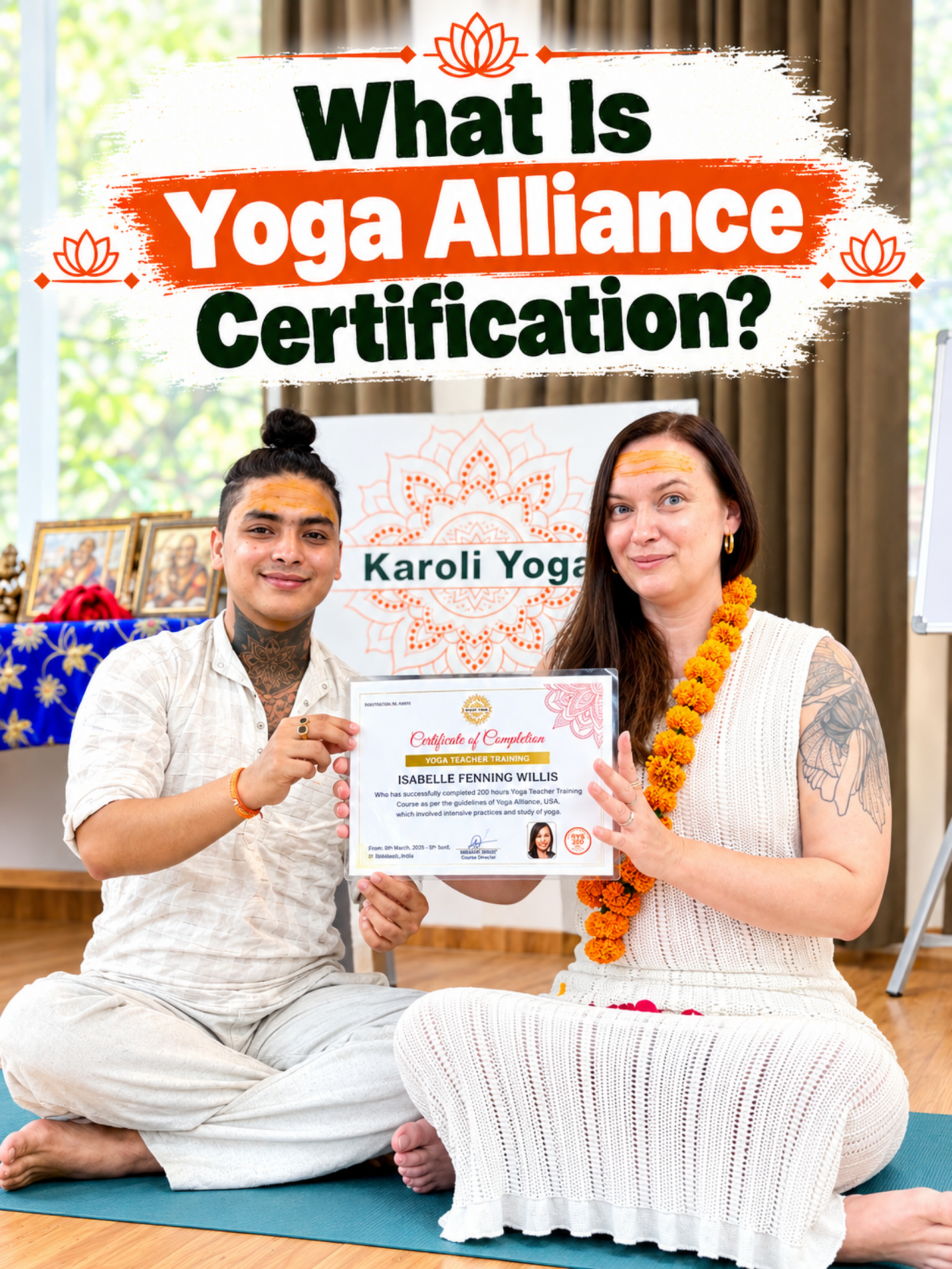
Quick Summary: Yoga Alliance Certification is a credential from Yoga Alliance, a nonprofit group that sets rules for yoga teacher training. It is not a government license. It shows that a teacher trained at a school that follows set education rules. Many studios and retreats look for this certification when they hire.
Thinking about becoming a yoga teacher? You have likely heard the term Yoga Alliance Certification more than once. A friend may have mentioned it. A school website may list it as a badge of trust. But what does it really mean? Does it matter for your own path?
This guide breaks down what Yoga Alliance Certification is. It covers how it works and who really needs it. You will learn the different levels, the real costs, and a few common myths. By the end, you will know if this path fits your own yoga goals.
Many students search for this term online without a clear answer. Some ask if it is a legal must. Some ask if it truly helps a career. This guide answers both, in simple terms.
Quick Facts About Yoga Alliance
| Characteristics | Information |
| Governing Body | Yoga Alliance |
| Category | Global nonprofit organisation |
| Entry-Level Credential | RYT 200 |
| Mandatory by Law? | No, in most countries |
| Recognized Worldwide | Yes |
| Ideal For | Beginner and working yoga instructors |
| Awarded By | Yoga Alliance Registered Schools (RYS) |
What Is Yoga Alliance Certification?
Yoga Alliance Certification is a credential earned after a yoga teacher training course at a registered school. Yoga Alliance itself does not teach any classes. It sets rules that schools must follow. It then keeps a public record of teachers and schools that meet those rules.
A student who finishes a full course can register as a Registered Yoga Teacher. This short title is often written as RYT. This registration shows the training met a set number of hours and topics. It does not test skill by itself. It confirms that a real, structured course took place.
One point often confuses new students. Yoga Alliance Certification is not issued by any government. No country requires it by law to teach yoga. Many good teachers work without it. Still, many studios and retreats use it as a quick way to check a teacher’s training.
Here is what Yoga Alliance Certification actually confirms:
- A set number of training hours were completed
- The course covered asana, philosophy, body science, and teaching skills
- The school itself passed a review by Yoga Alliance
- The teacher agreed to a basic code of conduct
Think of it like a school report card, but for the training program itself rather than for one single student. It tells a future employer that a real, checked course stood behind the teacher’s training, not just a weekend workshop with no set structure.
Certified vs Non-Certified Teachers
Choosing a certified or a non-certified path often comes down to your goals. The table below shows the main gaps most students ask about.
| Factor | Certified Teacher | Non-Certified Teacher |
| Global name value | Strong | Depends on place |
| Studio hiring choice | Often first pick | Case by case |
| Proof of real training | Clear and on file | Not fixed |
| Access to RYT network | Yes | No |
| Guarantee of skill | Not promised | Not promised |
Notice that no column promises real skill on its own. Yoga Alliance Certification proves that structured training took place. It does not replace real class time or a natural gift for teaching.
A non-certified teacher can still be a great teacher. Many skilled instructors built strong careers without ever registering. The main gap shows up when a studio wants quick proof of training, especially in a new city where nobody knows the teacher personally yet.
Why Yoga Alliance Certification Matters
This credential stays a choice, not a rule, in most places. It still holds real weight for many students. Here is why it matters in plain terms.
First, it acts as proof of real training. A course under Yoga Alliance rules must cover set topics in real depth. This gives future bosses a clear point to check.
Second, it opens doors in other countries. A studio far from your home school may never meet you first. A known name like Yoga Alliance Certification gives them a fast, trusted point of proof.
Third, it links you to a wider group of teachers. Registered teachers can join shared classes, talks, and further study long after their own course ends.
Fourth, it builds a habit of lifelong learning. Many teachers who hold Yoga Alliance Certification keep taking short courses and workshops each year. This habit keeps their own skills sharp long after their first certificate.
Who Should Get This Certificate?
Not every yoga student needs Yoga Alliance Certification right away. The right choice depends on your own path. As a beginner, a 100 Hour Yoga Teacher Training Course in Rishikesh is often a good place to start.
New Yoga Teachers
If you plan to teach in a studio, gym, or online, Yoga Alliance Certification builds early trust fast. Most hiring staff check for it first.
Working Yoga Teachers
Some teachers already work with no formal listing. Many later choose Yoga Alliance Certification to reach better-paid studios or firm wellness deals that ask for it.
Students Who Just Want to Learn
Not everyone joins a course to teach. Some just want deep study of philosophy, body science, and breath work. The credential still applies, even with no plan to teach.
Students Who Train Abroad
Students who travel to places like Rishikesh often pick Yoga Alliance schools. It gives their training a known mark that carries across borders.
Career Changers
Some students come from a totally different field and want a fresh start. Yoga Alliance Certification gives this group a clear, known first step into a new line of work, without needing years of prior experience in yoga.
Different Certification Levels Explained
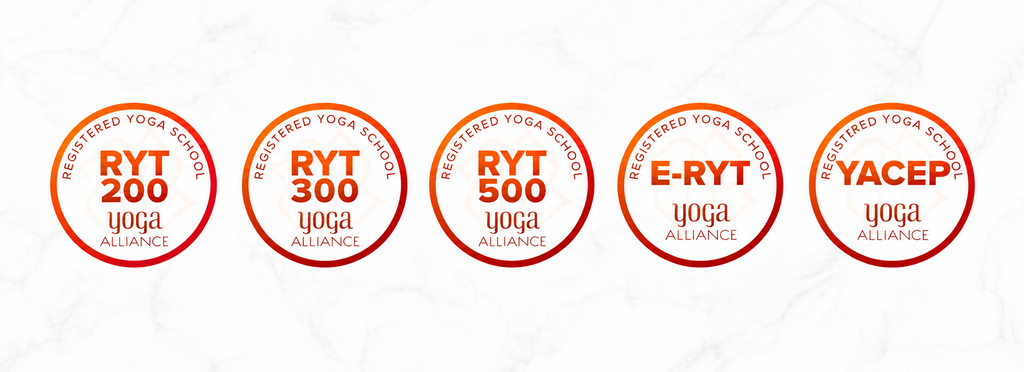
Yoga Alliance offers a few levels. Each one fits a different stage of a teaching path.
- RYT 200: The first-step credential, earned after finishing a 200 Hour Yoga Teacher Training in Rishikesh. Most new teachers start here.
- RYT 300: Built for teachers who hold an RYT 200 already. A 300 Hour Yoga Teacher Training in Rishikesh adds more study in body science, philosophy, and teaching skills.
- RYT 500: Given once a teacher finishes both the 200-hour and 300-hour paths. This adds up to 500 total hours.
- E-RYT: Short for Experienced Registered Yoga Teacher. This level needs both a listing and a set number of real class hours.
- YACEP: Stands for Yoga Alliance Continuing Education Provider. Teachers with this level run extra classes for teachers who already hold a listing.
| Level | Hours Needed | Best Suited For |
| RYT 200 | 200 hours | New teachers starting out |
| RYT 300 | 300 more hours | Teachers who want more depth |
| RYT 500 | 500 hours total | Senior, well-rounded teachers |
| E-RYT | Listing plus teaching hours | Teachers with real class time |
| YACEP | Ongoing study hours | Teachers who run extra courses |
Most students start with RYT 200. They decide later if they want to climb toward RYT 300 or RYT 500.
Each level builds on the one before it. A teacher rarely jumps straight to RYT 500 without first passing through the earlier two stages. This step-by-step structure keeps the whole system fair and clear for schools and students alike.
Benefits of Yoga Alliance Certification
Beyond the paper itself, Yoga Alliance Certification brings a few real, useful gains.
Wide, Global Name Value
Studios and wellness spots in many countries know Yoga Alliance Certification on sight. This makes hiring talks move faster, even abroad. A teacher does not need to explain their training in detail. The name alone does most of the talking.
More Trust From Students
New students often feel more secure when they book a class with a listed teacher. It shows a checked course stands behind the class. This small sense of trust can turn a first-time student into a regular one.
Better Access to Jobs
Many firm wellness plans, resorts, and online sites list Yoga Alliance Certification as a wanted, and at times required, mark. Skipping this step can mean missing out on some of the best-paying jobs in the field.
A Wider Group of Teachers
Listed teachers join a large, linked group. This opens doors to shared work, guidance, and shared study tools. Many teachers find their first job lead or mentor through this same network.
Room to Keep Learning
Study does not stop at graduation. Yoga Alliance backs more classes and special courses through its YACEP path. This keeps a teacher’s own skills fresh, even many years into their career.
Easier First Trust With New Students
New students who search for a teacher often filter by Yoga Alliance Certification first. It gives them one less worry before their first class. This small filter saves time for both the student and the teacher.
A Shared Code of Conduct
Registered teachers agree to a basic code of professional conduct. This gives students a small layer of trust around safety and ethics, even before the first class starts. It also helps set clear, fair rules across the whole teaching community.
Expert Tip: Do not pick a school based on price alone. Check the teaching staff, class size, real teaching hours, and past student notes. A strong course matters far more than the paper itself over a full career.
Things to check Before You Register
No certificate is perfect. Yoga Alliance Certification has a few real limits worth knowing before you commit.
- Fees add up over time: Beyond your course cost, a one-time sign-up fee and a yearly fee go straight to Yoga Alliance.
- It does not promise a job: Studios still weigh real skill, talk ability, and fit, along with any paper.
- School depth still varies a lot: Two schools can both meet the base rule, yet give very different depth and class time.
- You must renew each year: A missed fee means you lose your active listing until you pay again.
- It adds one more admin task: Keeping track of renewal dates and fees takes a small bit of yearly upkeep on your part.
How to Get Yoga Alliance Certification
Getting Yoga Alliance Certification follows a clear, simple path once you know each step.
- Pick a Listed School: Check the school’s active status right on the Yoga Alliance site before you sign up.
- Finish Your Course: Complete a 200-hour, 300-hour, or 500-hour course. This should cover asana, philosophy, body science, and teach skills.
- Set Up Your Account: Once you graduate, build a personal account on the Yoga Alliance site.
- Send Your Application: Your school confirms your completed hours. You agree to a basic code of conduct before you get approved.
- Pay the Fees: A one-time sign-up fee and a yearly fee apply once your form gets approved.
Most students finish this full path within a few weeks of graduating from their course. Some schools even help with parts of this process directly, since they handle this kind of paperwork often for their own graduates.
How Much Does It Cost?
Many students mix up two costs. One is the training course itself. The other is the fee paid straight to Yoga Alliance for Yoga Alliance Certification itself.
Your course cost depends on the school, the country, and any meals or stay it covers. This part shifts a lot and forms most of your total spend.
The listing fee with Yoga Alliance carries its own smaller cost:
- One-time sign-up fee: around US$50
- Yearly fee: around US$65
These numbers reflect current public rates. They may shift over time, so check the Yoga Alliance site before you plan your budget. Many students miss this second cost, so plan for both parts from the start.
Some schools fold the sign-up fee into their own course price as a small perk. Always ask directly, so you know the full, real cost of your Yoga Alliance Certification before you commit to a school.
Common Myths, Cleared Up

A few myths trip up new students often about Yoga Alliance Certification. Clearing them up helps you plan with real, honest hopes.
Myth: It promises a teaching job.
Fact: Bosses still weigh real skill, talk ability, and fit. The credential helps your file, but does not replace real ability. A piece of paper cannot show how well someone connects with a class.
Myth: You need it by law to teach
Fact: Most countries have no legal rule for Yoga Alliance Certification. Some bosses like it, but many working teachers never get listed at all. Plenty of good teachers build full careers without ever signing up.
Myth: All listed schools give the same depth
Fact: A listing confirms a base rule only. Real class depth, group size, and guidance still shift a lot between schools. Two schools can carry the same badge, yet feel very different once class starts.
Myth: Yoga Alliance is a government group
Fact: It is a private, nonprofit group. It has no legal say over who can or cannot teach yoga. No one needs its approval to open a studio or lead a class.
Myth: You must renew forever once you register
Fact: A teacher can let their listing lapse at any point. The training itself still counts. Only the active, current status with Yoga Alliance needs the yearly fee. Many teachers pause their listing for a year or two, then pick it back up later with no trouble.
What to Look for in a Registered School
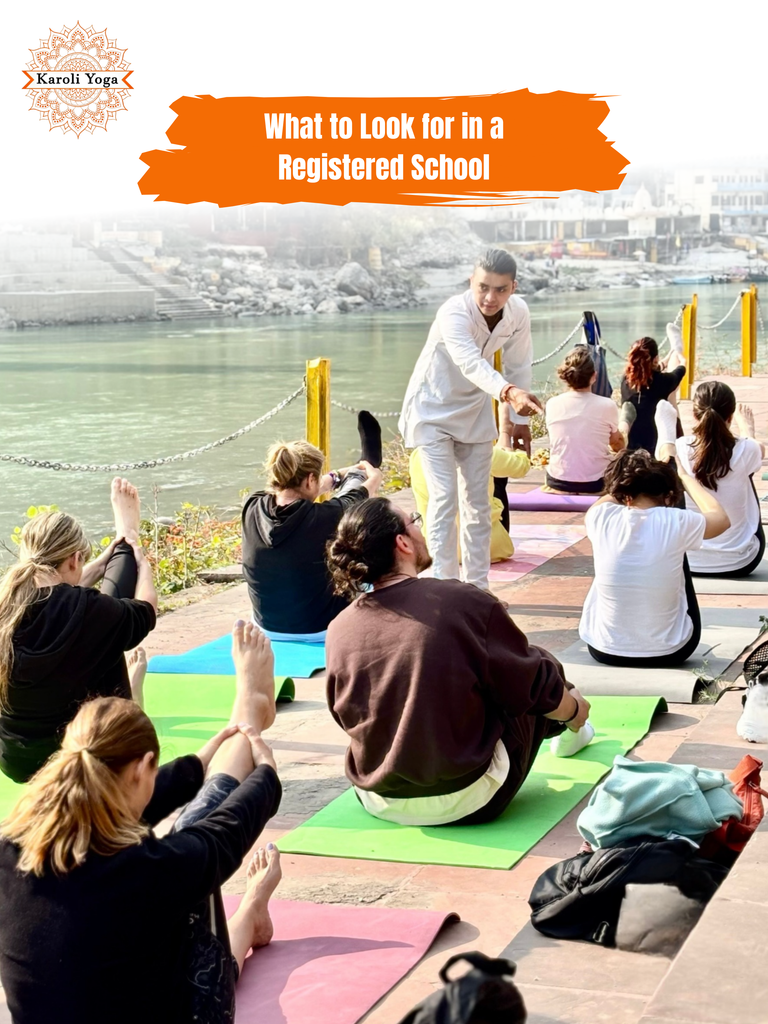
A listing alone does not promise a great course. Look past the badge and check these points directly.
- Teaching staff background: Ask how long teachers have taught, and in what styles.
- Full course plan: A strong course covers asana, body science, philosophy, breath work, and real teaching time.
- Class size: Smaller groups often mean more direct notes and fixes.
- Past student notes: Old student feedback often shows details a website never states.
- Food and stay quality: For a full month, comfy rooms and proper sattvic meals matter a lot.
- Direct contact with staff: A quick call or message before you enrol often reveals a lot about how a school treats its students.
Common Mistakes When Choosing a School
A few small slips trip up many first-time students during their search for the right Yoga Alliance Certification path.
- Picking the cheapest course without a real check of the course plan
- Skipping how much real class time the staff has had
- Not checking the school’s Yoga Alliance status directly
- Ignoring group size and how much direct note-taking it allows
- Skipping past student notes before signing up
- Chasing the paper alone, rather than real teaching skill
A short bit of research before you sign up saves real stress once class starts.
Why Students Choose Karoli Yoga School
Many students pick Karoli Yoga School for its small groups and hands-on teaching style. Direct notes stay strong through the course, since class size never grows too large for real fixes.
The school mixes classic Hatha and Ashtanga class time with real, modern teaching skills. Meals stay simple and sattvic. Rooms stay clean and quiet, right by the Ganga in Tapovan, Rishikesh.
Students who finish a course here graduate with more than a piece of paper. They leave with real teaching time, direct notes from skilled teachers, and a clear, working sense of how to lead a class with real trust in themselves.
Karoli Yoga School is itself a Yoga Alliance registered school. This means every graduate can move forward with a full, real Yoga Alliance Certification path, backed by an active listing and a checked course.
Real Situations Where This Yoga Alliance Certification Matters
A few real-life cases show where Yoga Alliance Certification makes the biggest difference. Seeing these examples can help you decide if the effort fits your own plans.
- Moving to a new city or country to teach: A known credential speeds up trust with a studio that has never met you before.
- Applying to a hotel or resort wellness program: Many large employers list this credential as a basic filter before they even review a resume.
- Building an online teaching business: Students booking a class from a stranger online often check for this credential first, before anything else.
- Switching from a general fitness career into yoga: A clear, known credential helps a career changer prove real, structured study to a new type of employer.
In each of these cases, Yoga Alliance Certification works as a fast trust signal. It saves time on both sides of a hiring decision, even before a single class gets taught.
Key Takeaways
- Yoga Alliance Certification is a choice in most countries, not a legal rule.
- It confirms real, set training, not skill by itself.
- A few levels exist, from RYT 200 up to RYT 500 and past it.
- School depth shifts a lot, so a real check matters.
- Fees for the listing sit apart from your real course cost.
- It works best when paired with a strong, well-reviewed school.
Is Yoga Alliance Certification Worth It?
For most new teachers, Yoga Alliance Certification stays a smart, real choice. It gives global name value. It links you to a wide group of teachers. This same credential gives future bosses a fast, trusted point of proof.
Still, the paper alone will not carry your career. Real teach skill, steady class time, and strong talk skill matter just as much, if not more, over time.
If your goal is to teach for a living, work abroad, or deepen your own study with real guidance, this path is likely worth the effort. If yoga stays a simple, personal path for you, a listing may simply not be a must.
Conclusion
Yoga Alliance Certification gives real, useful value to most students who plan to teach, work abroad, or simply deepen their own study through real, set training. The certificate alone will not promise success. Paired with real class time and a strong school, it gives your path a clear, trusted base.
At Karoli Yoga School, students from many countries join our courses each month. A little prep work can improve the whole course. Even a small change, made two weeks before travel, can shift the entire first week for the better. Message us on WhatsApp with any questions about our courses or dates. Our team is glad to help you plan a course that fits your goals. You can also follow us on Instagram and Facebook for more yoga tips.
Frequently Asked Questions
Q1. How to become Yoga Alliance certified?
Pick a Yoga Alliance school, finish a full course, then set up an account on the Yoga Alliance site. Send your form, agree to their code of conduct, and pay the fees. Full Yoga Alliance Certification often follows within a few weeks of graduating.
Q2. Which yoga certificate is best?
For most new students, an RYT 200 through Yoga Alliance Certification gives the strongest start. It is the most well-known entry-level credential and opens the most doors for early teaching work.
Q3. How much does Yoga Alliance certification cost?
The listing itself costs around US$50 for a one-time sign-up fee, plus close to US$65 each year to stay active. This sits apart from your real course fees, which shift by school.
Q4. Is Yoga Alliance Certification required to teach yoga?
No. Most countries have no legal rule for it. Many studios still like to hire listed teachers, since Yoga Alliance Certification proves a real, checked training path.
Q5. How long does Yoga Alliance Certification stay valid?
Your course certificate itself lasts for life. An active listing with Yoga Alliance, though, needs the yearly fee paid each year to stay current.